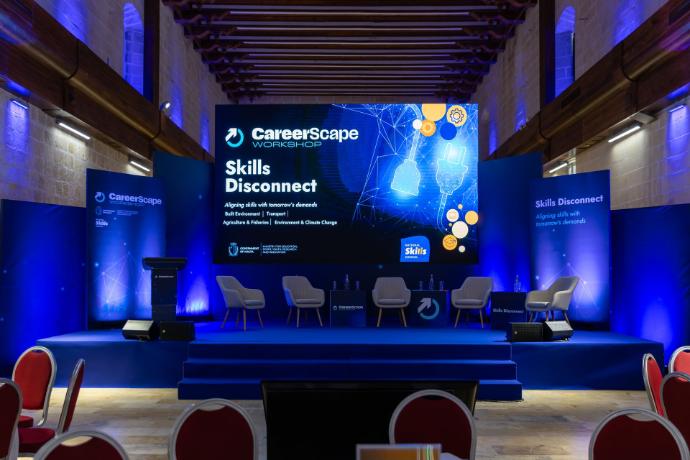
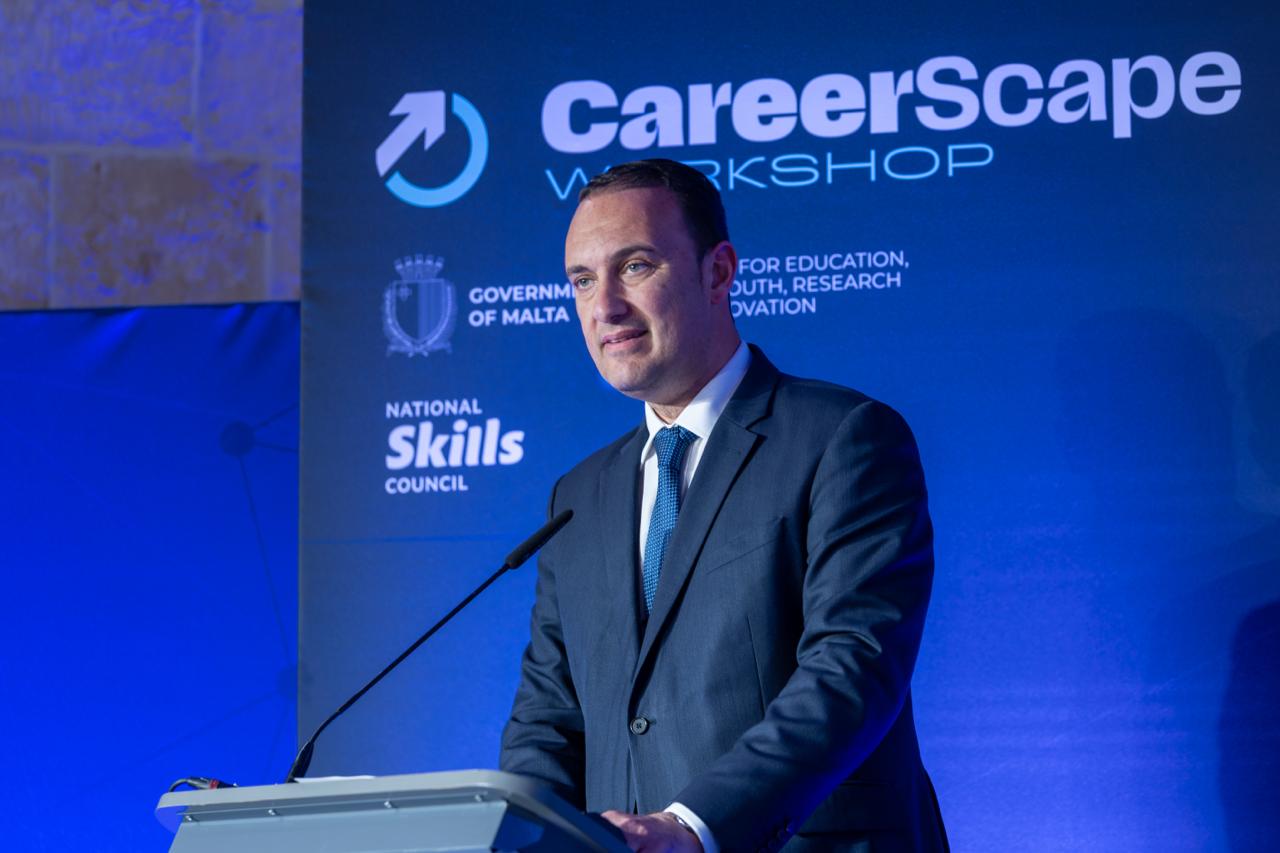
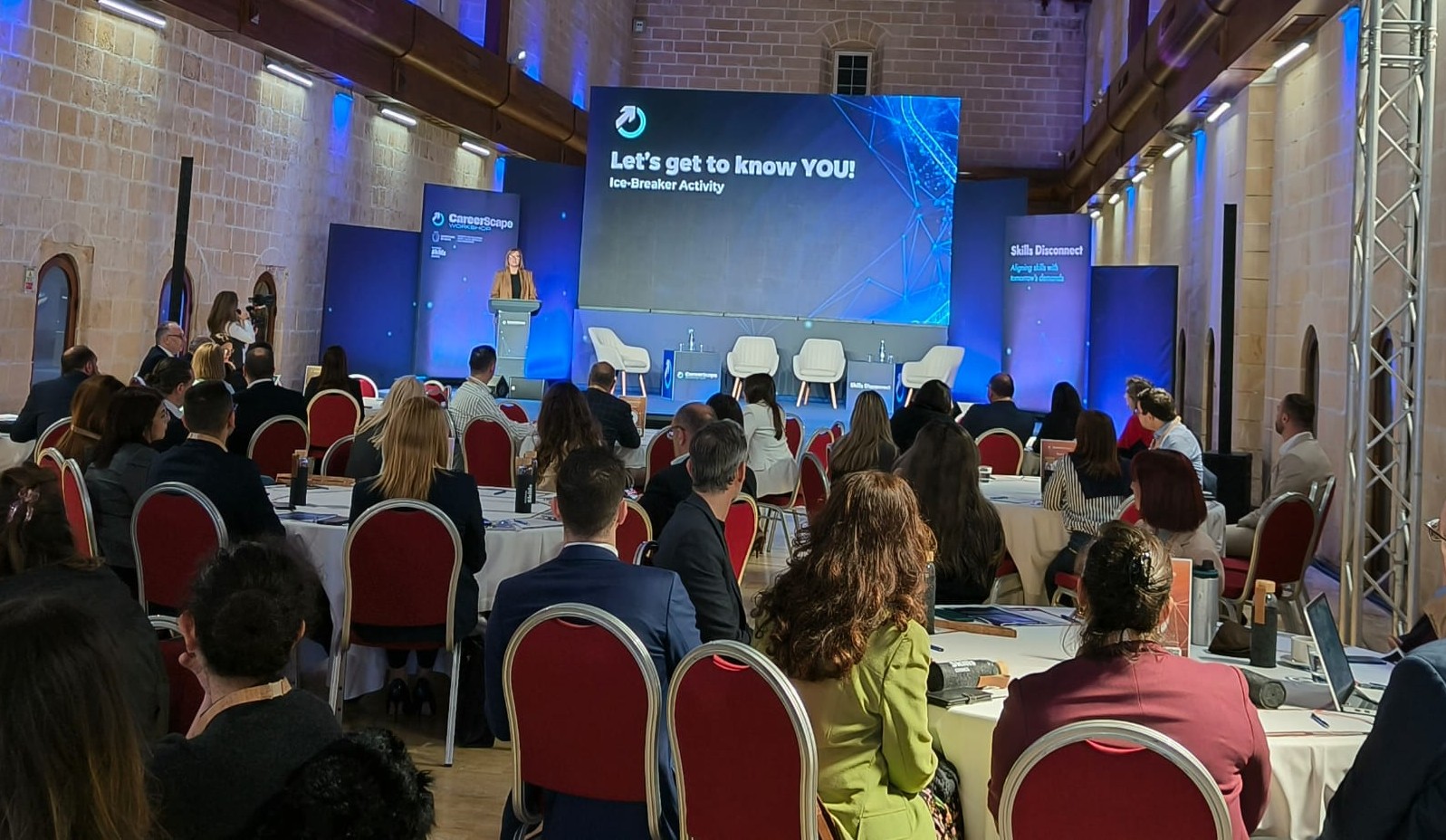
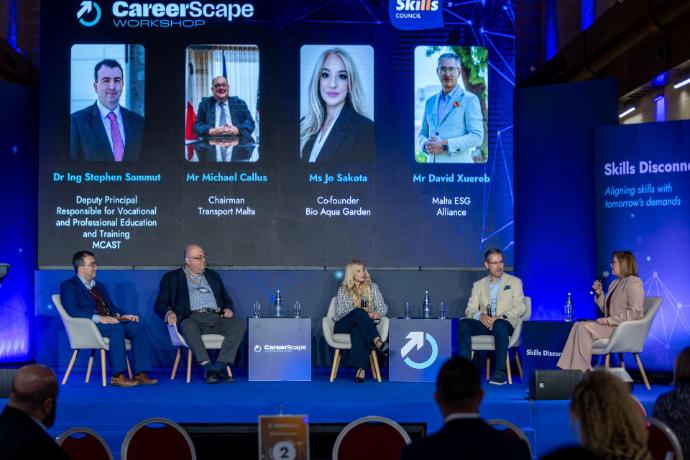
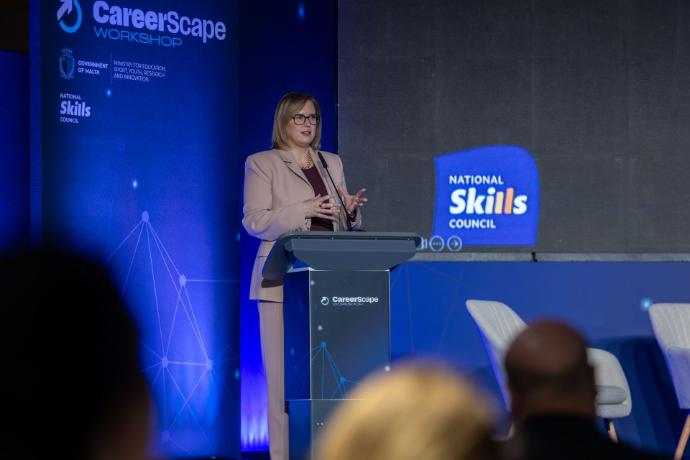
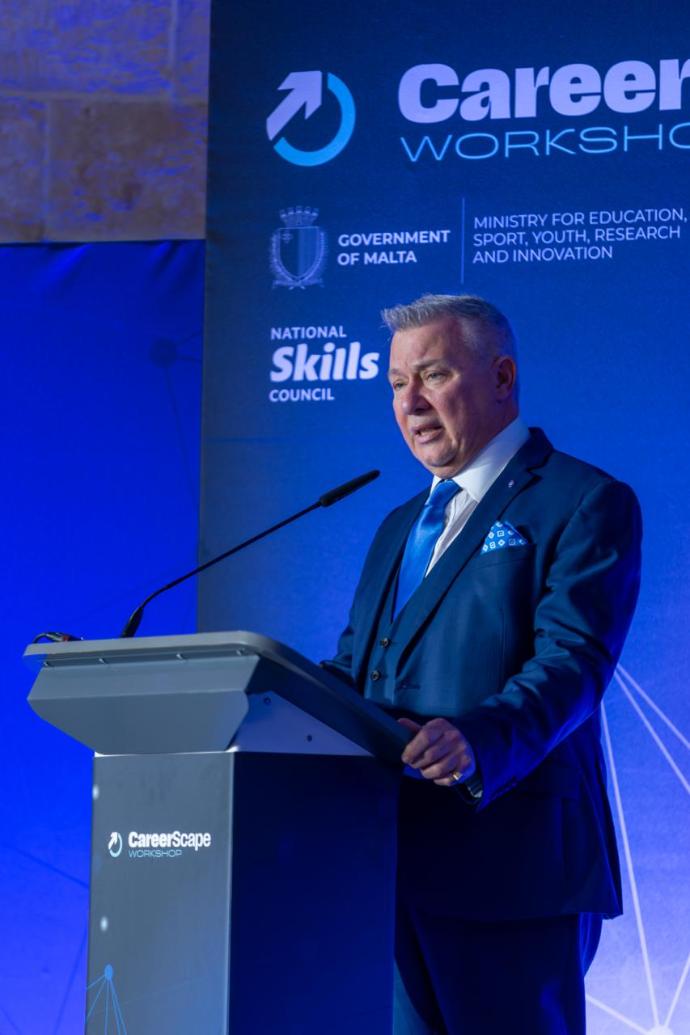
CareerScape 2026
Building on the discussions held during CareerScape 2025, which brought together stakeholders from the Education and Training, Health, and Social Care sectors, this year’s edition expanded the conversation to ten additional sectors of the economy.
CareerScape 2026 was held between the 24th March and the 26th March, where we continued to create the space to discuss and unpack shifting skills demands, emerging megatrends, and the future-of-work scenarios reshaping our labour market. It’s where we came together to better understand current and future skills needs, highlight areas of misalignment, and support strategic planning toward a more resilient, future ready labour market.
Focus of CareerScape 2026
CareerScape 2026 focused on examining situations where the skills available in the workforce may not fully match the needs of employers or emerging economic developments.
Participants were invited to explore questions such as:
• Where are skills gaps emerging
within our sector?
• How are technological and economic changes shaping job roles?
• Which skills will become more important in the coming years?
• How prepared is the current workforce for future changes?
• What actions could help address emerging skills mismatches?
These discussions aimed to deepen understanding of the drivers behind skills misalignment, and workforce challenges in Malta’s labour market.
Sectors Engaged
CareerScape 2026 brought together stakeholders from ten sectors of Malta’s economy to share insights on workforce developments and skills needs.
Day 1: Built Environment / Transport / Agriculture & Fisheries / Environment & Climate Change
Day 2: Hospitality / Retail / Arts & Culture
Day 3: Manufacturing / Digital Services / Financial Services
Each sector discussion included professionals, practitioners and stakeholders who provided practical insights into the realities facing their industries.
Discussion Method
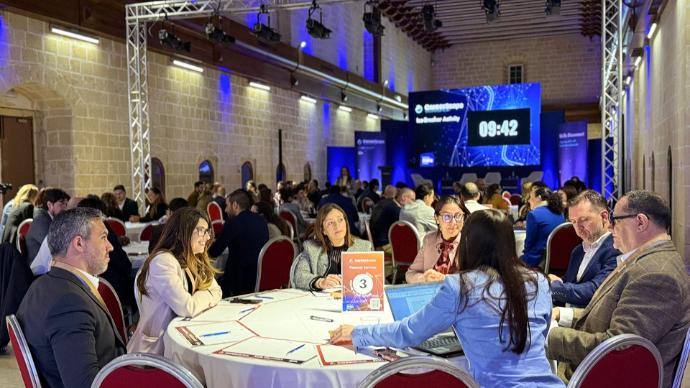
CareerScape 2026 used a World Café discussion format, a participatory engagement method designed to encourage collaborative dialogue and knowledge sharing. Participants took part in facilitated conversations exploring three key dimensions shaping the future of work and skills demand.
Pull from the Future
Emerging trends, technological developments, and innovations that may influence the future direction of the sector.
Push of the Present
Current labour market pressures, workforce shortages, and skills challenges affecting the sector today.
Weight of History
Structural factors, established practices, and legacy systems that continue to shape how sectors operate.
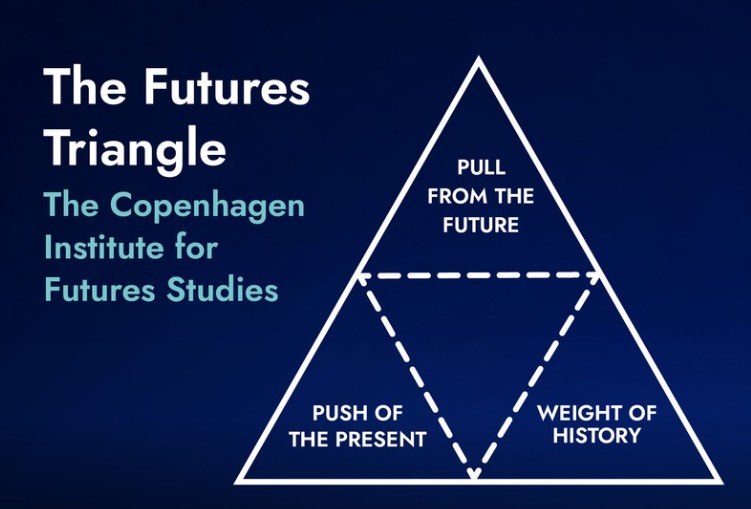
Diagram showing the Futures Triangle, as
coined by the Copenhagen Institute for Futures Studies.
This framework draws on the Futures Triangle concept developed by the Copenhagen Institute for Futures Studies, helping participants consider both present challenges and future opportunities when discussing skills development.
Purpose of the Discussions
The discussions aimed to identify:
• areas where skills supply may not
fully align with sector needs
• challenges affecting workforce development across sectors
• emerging trends that could influence the future of work
• opportunities for stronger collaboration between education, industry, and
policymakers
By bringing together diverse perspectives, CareerScape helps strengthen dialogue around skills development, workforce planning, and the future of Malta’s labour market.
What Happens Next
Following the discussions, insights were gathered from CareerScape 2026, which will be reviewed and analysed to identify common reflections and sector-specific observations. These reflections will contribute to ongoing conversations about Malta’s evolving skills landscape and may help inform future stakeholder engagement and skills-related initiatives.
Explore the key discussion themes, observations, perspectives and ideas that emerged during the sector workshops. Click on the sector buttons below to learn more.
Day 1:
Day 2:
Day 3: