In today’s evolving job market, developing strong career management skills (CMS) is essential. These are the skills that help people understand themselves better and manage learning and work decisions throughout life. CMS involves critical reflection, adaptability, effective communication and a commitment to continuous learning, making transversal skills such as critical thinking, emotional intelligence, adaptability and a growth mindset increasingly important in navigating careers successfully.
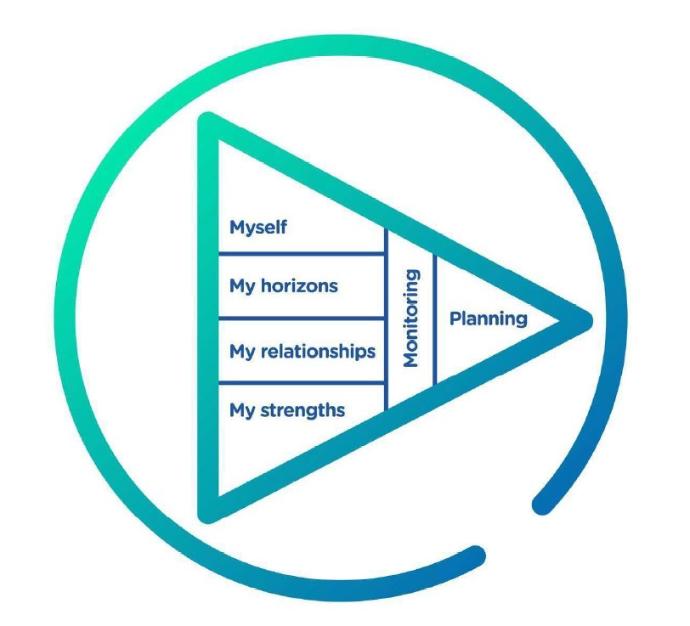
Figure 1: Careers Around Me Project, Career Management Skills Framework
This approach is also recognised at EU level most recently through the EU Reference Framework for Lifelong Guidance, which reinforces the importance of career guidance and career development as lifelong processes rather than one-off decisions made at school or university.
This direction is reflected in Malta’s national context through the work of the National Skills Council (NSC). Through its projects, the NSC helps individuals understand how the world of work is evolving and how skills demands are changing. It also supports the professionals and systems that deliver career guidance and coordinates national efforts to embed CMS within Malta’s lifelong guidance ecosystem through the work of the National Career Guidance Network (NCGN).
But what does this mean for individuals in practice?
Know yourself and your strengths
Career management starts with self-awareness. Take time to reflect on what you enjoy, what motivates you and what you are good at. Research shows that career self-management behaviours, including self-awareness and reflection, are positively associated with career satisfaction and employability (Peeters et al., 2020). Understanding your interests, values and strengths makes it easier to choose learning and work opportunities that suit you and feel meaningful. It also helps you develop the emotional intelligence needed to build positive relationships and work effectively with others.
Practical tip: Use online self-assessment tools and career interest questionnaires to reflect on your strengths, interests, and preferences, such as before attending a career guidance session. Examples include the O*NET Interest Profiler, which uses the widely recognised Holland Code (RIASEC) model to help individuals explore careers linked to their interests. Tools such as the EU's Europass platform can also support you in identifying, recording, and reflecting on your skills, experiences, and career goals.
A note on digital tools: While digital tools are playing a growing role in expanding access to career guidance and supporting self-reflection, it's important to use tools provided by reputable organisations. Remember that online assessments should support, not replace, professional career guidance. Pay attention to how your personal data is collected, stored, and used, particularly when using free online platforms or personality tests that may not clearly explain their privacy policies, data practices, or the reliability of their results.[KD1.1]
Explore options and stay informed
The world of work is constantly evolving. According to the World Economic Forum's Future of Jobs Report 2025, 39% of workers' core skills are expected to change by 2030, highlighting the importance of staying informed about emerging opportunities. Stay curious about different careers, sectors and learning pathways, and use critical thinking to evaluate information and make informed decisions about your future. Reading industry news, attending career events, or speaking to people in different roles can help you discover options you may not have considered before.
Keep learning and upskilling
Learning does not stop when formal education ends. Throughout life, people continue to develop new skills as they grow, change jobs or explore new interests. Research by Cedefop highlights that adults who actively engage in continuous learning are better able to adapt to workplace changes and technological developments. Approaching these experiences with a growth mindset can help people see change and continuous learning as opportunities for personal and professional development. Short courses, online learning, work-based training or even learning through hobbies or participation in voluntary organisations can all help you stay adaptable and confident, both at work and in everyday life.
Seek guidance and build connections
You do not have to manage your career alone. Career guidance professionals can provide valuable support and advice. In Malta, the National Career Guidance Network (NCGN), coordinated by the NSC, brings together a range of organisations to strengthen and connect career guidance services. This helps people of all ages access the support they need to make informed learning and career decisions throughout their lives. You can find out more and explore the support available on our career guidance services webpage.
Plan ahead and stay flexible
Having goals gives direction, but flexibility is just as important. Careers are rarely linear, and research on career adaptability highlights the importance of being able to adjust goals, explore new opportunities and respond effectively to change in uncertain labour markets (Volmer et al., 2023; OECD, 2021). Reviewing your plans regularly and being open to change allows you to respond positively to new opportunities and changing circumstances.
Developing career management skills helps you take charge of your journey with confidence. By understanding yourself, exploring opportunities, learning continuously and seeking guidance when needed, you can navigate career decisions at any stage of life. Your career is not a single choice, it is a journey that evolves over time, best approached with curiosity and an open mind.