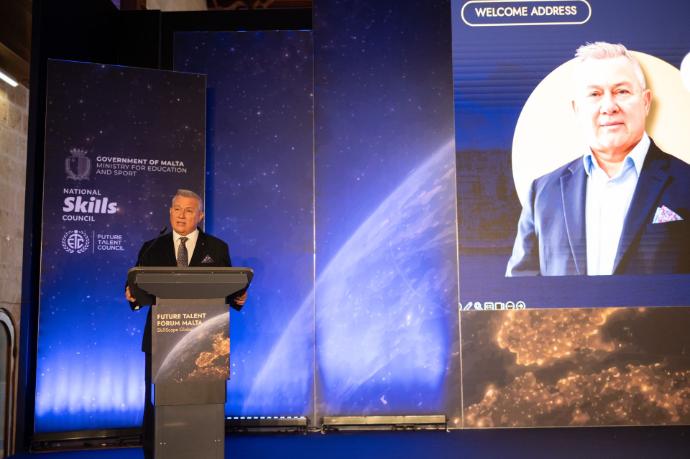
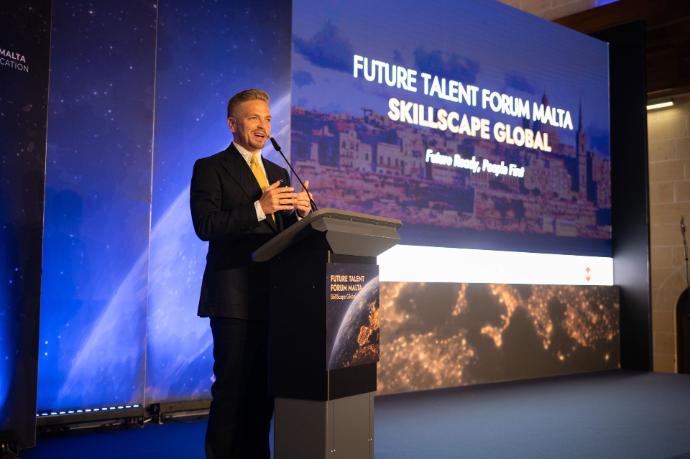
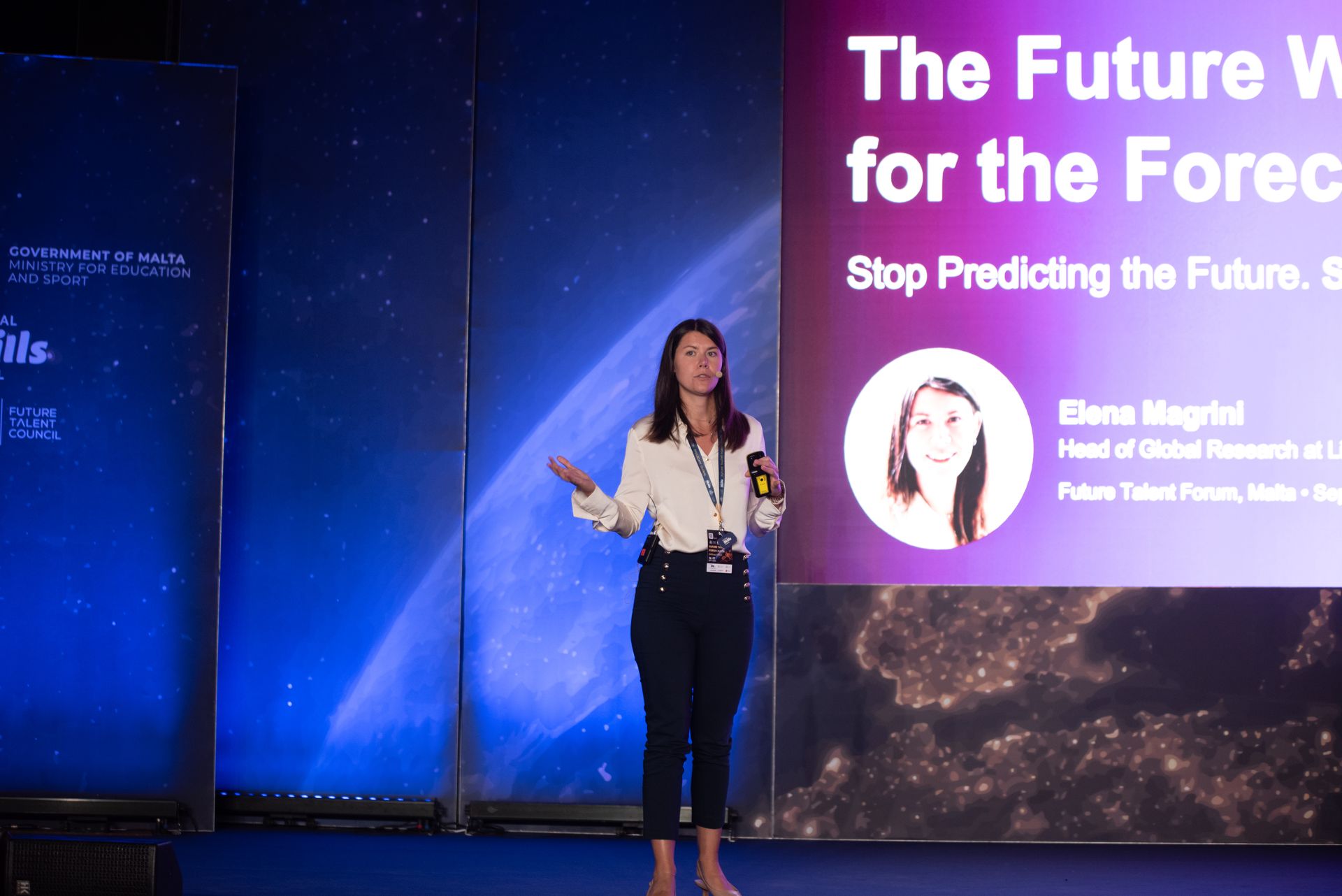
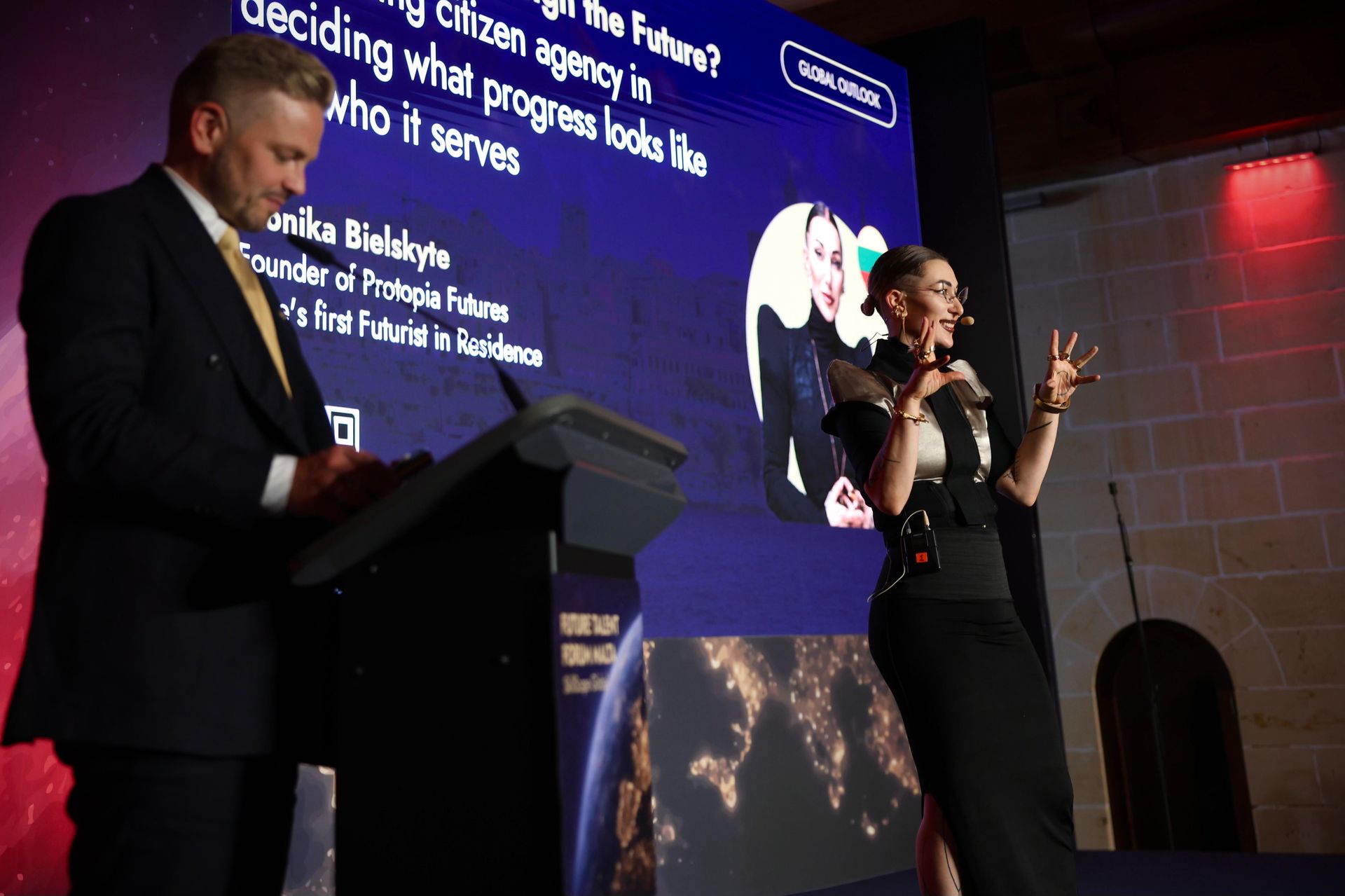
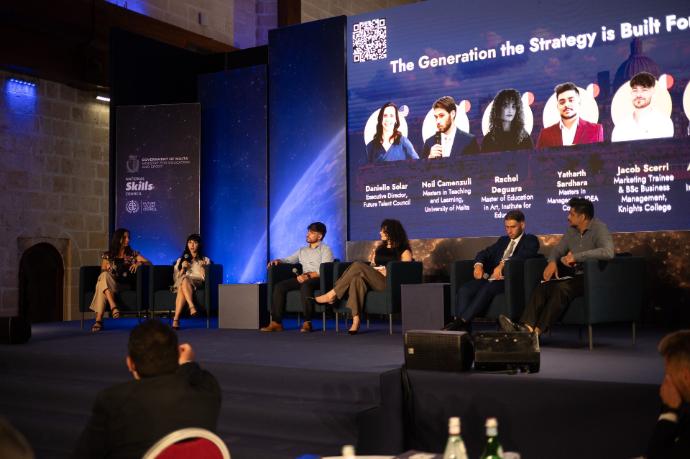
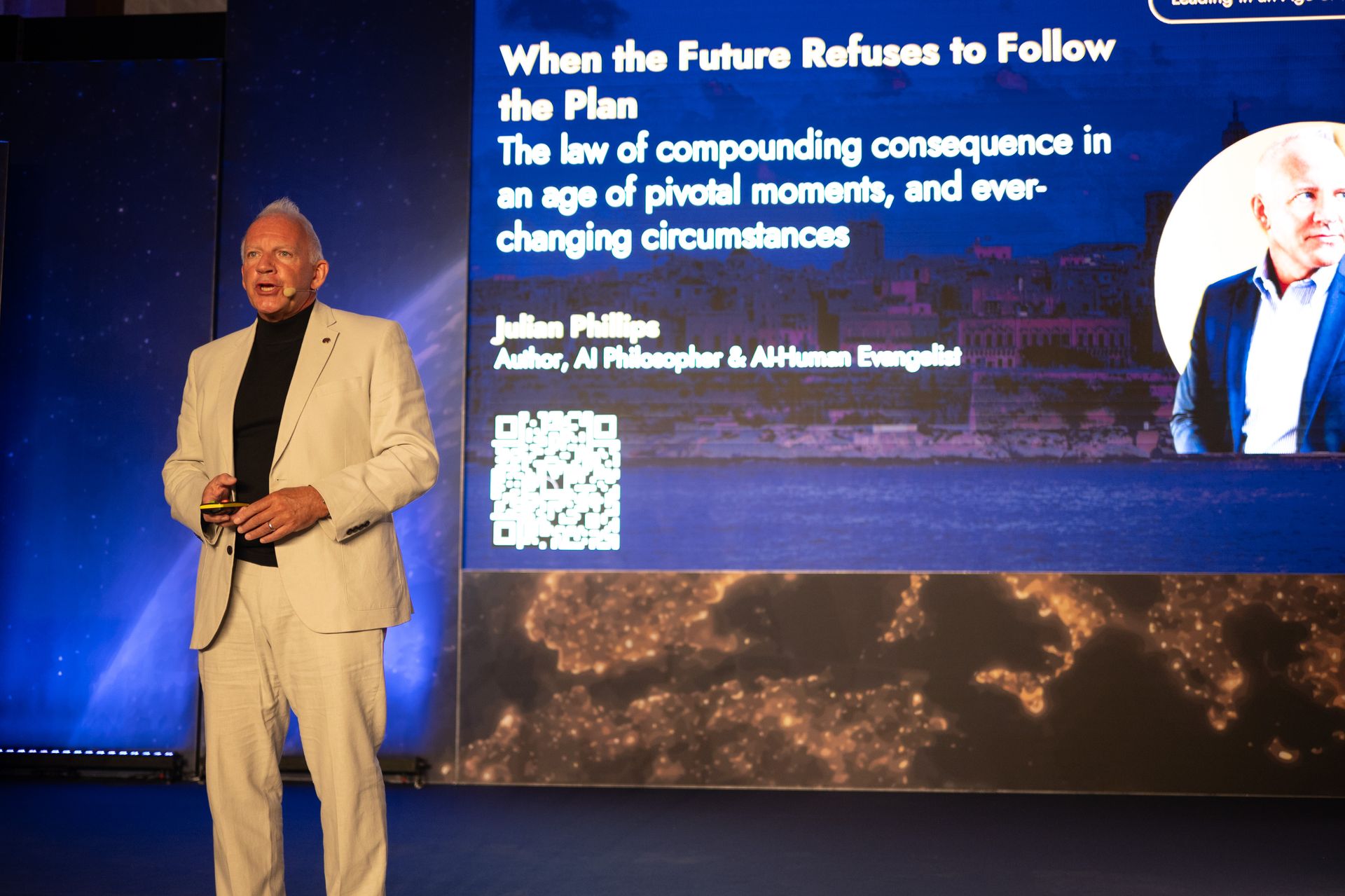
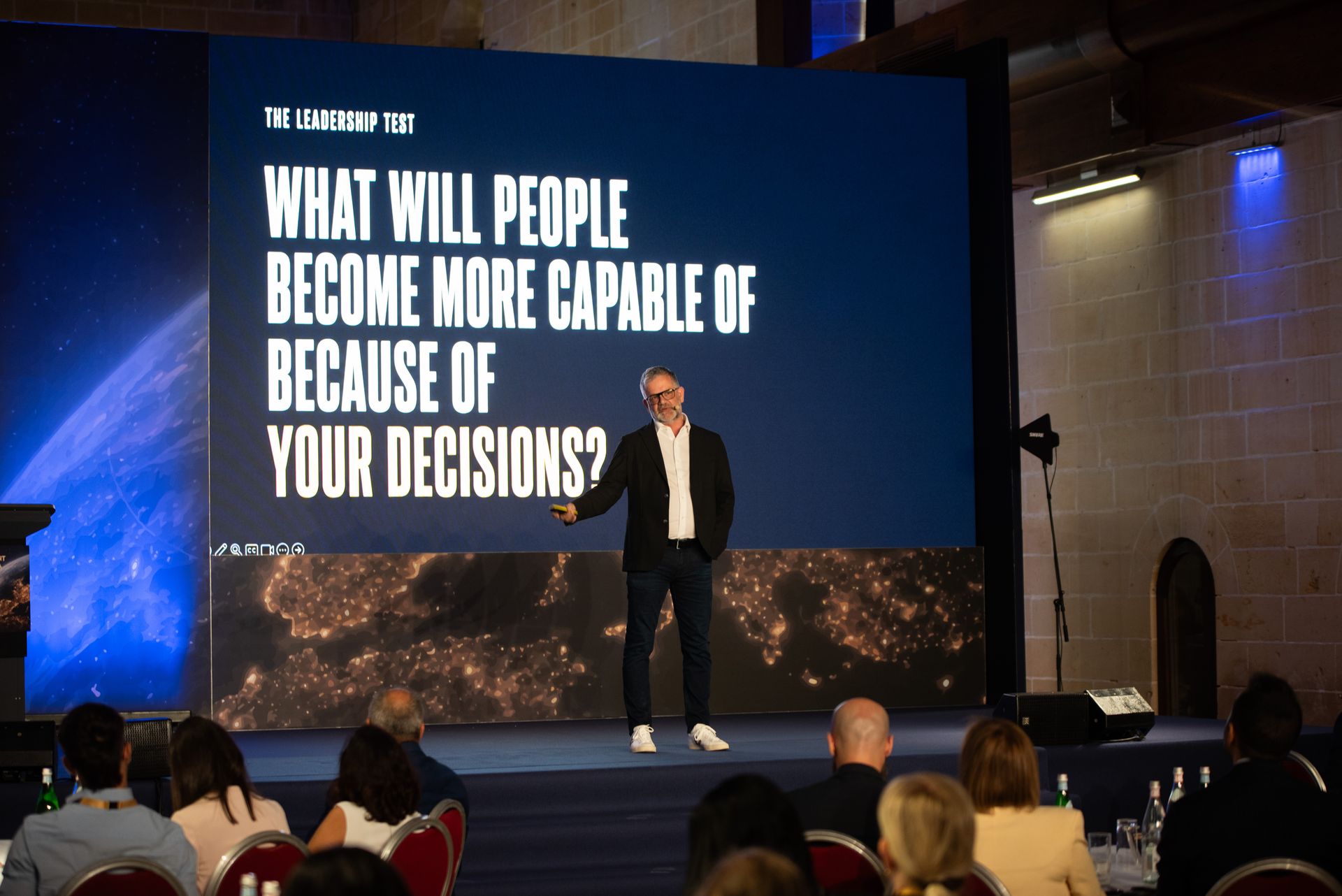
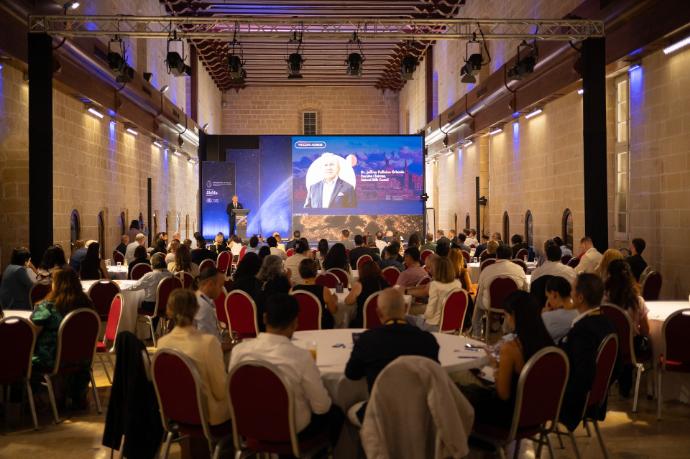
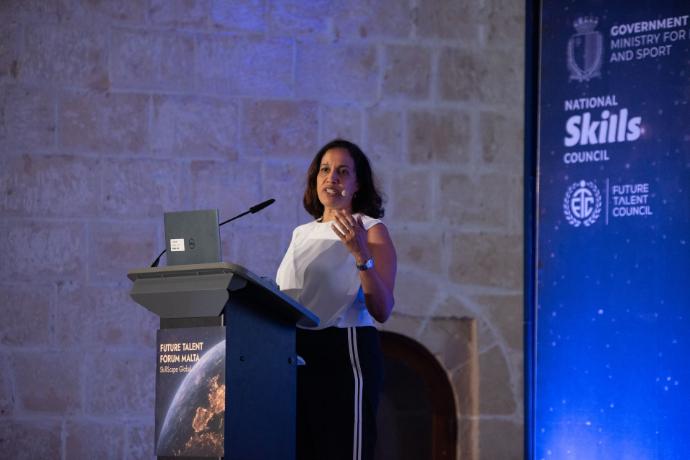
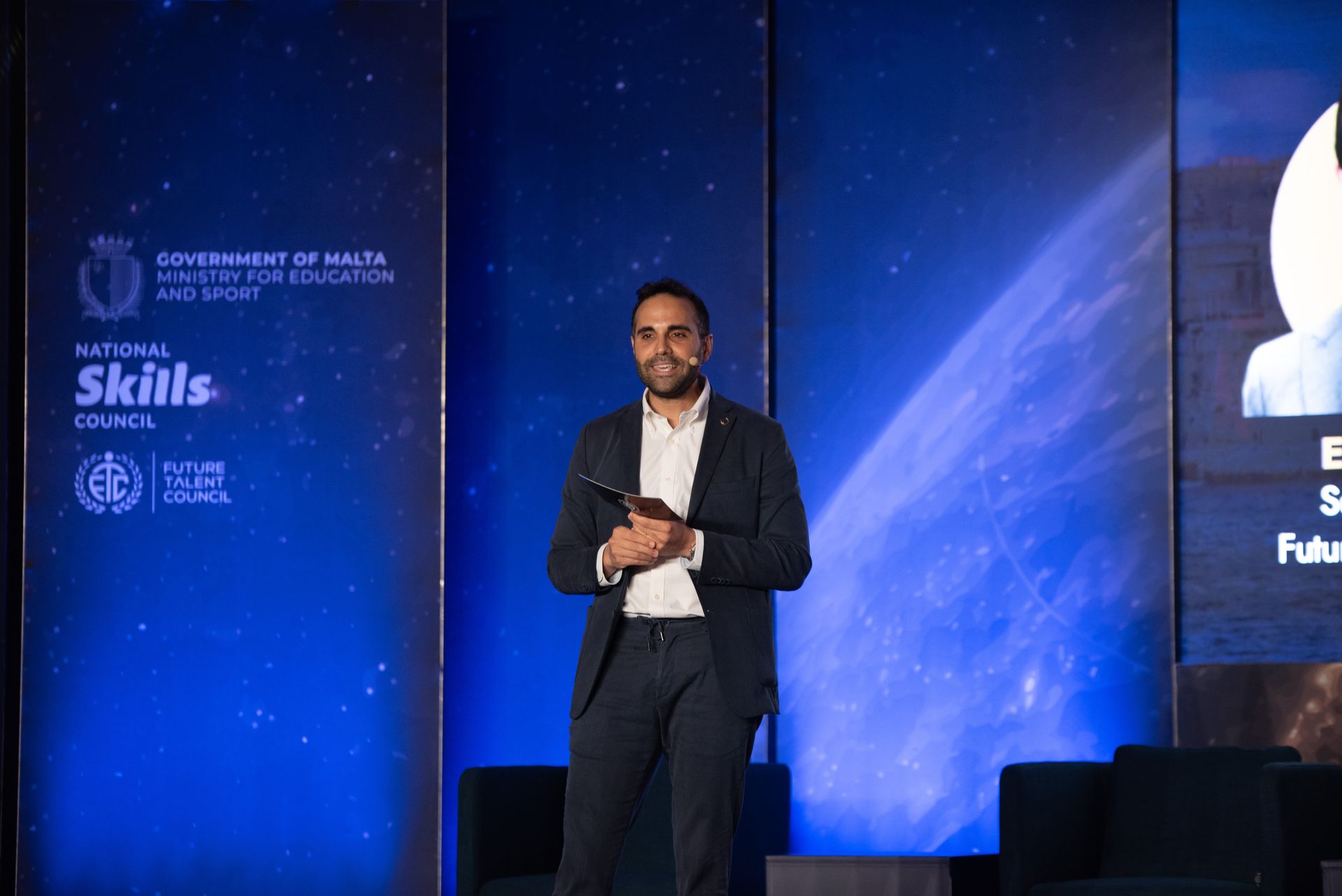
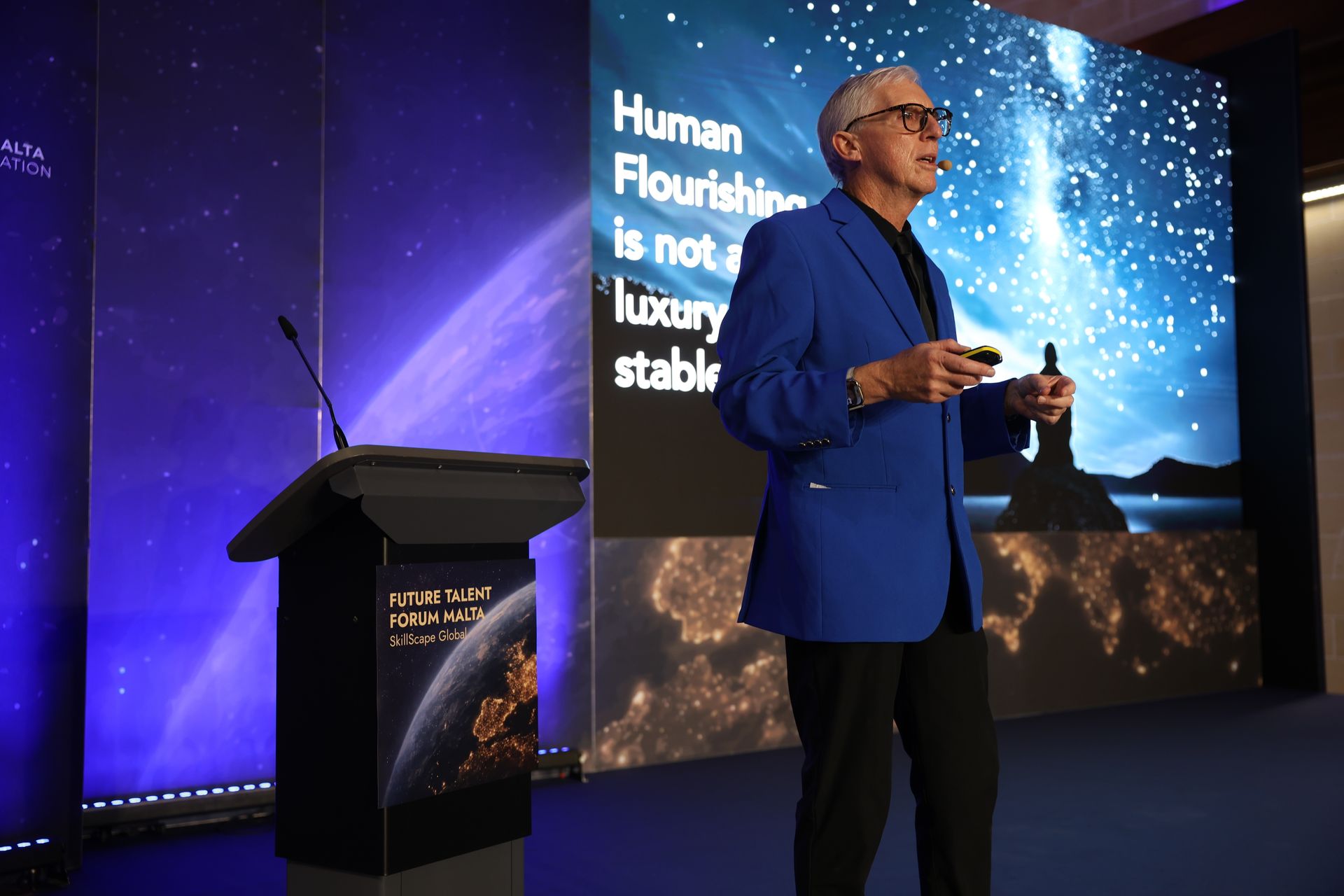
SkillScape 2025 brought together people from education, business, government, and the wider community to talk about how Malta can better prepare for change through skills development and smarter planning.
This year's theme, "State of Flux," looked at how major global shifts, like AI, changing demographics, climate action, and new social expectations, are affecting Malta's job market and society. One thing became clear: when everything around us is changing fast, learning and building new skills are our best tools for staying ready and resilient.
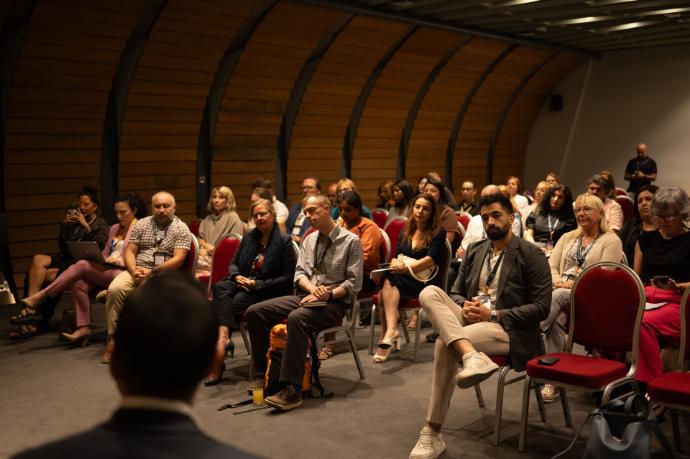
As part of SkillScape 2025, participants had the opportunity to delve into four breakout workshops designed to deepen understanding of Malta’s evolving skills landscape. Each session offered practical insights, reflective discussions, and forward-looking perspectives that support the National Skills Council’s mission to strengthen lifelong learning, empower individuals, and build a more resilient workforce.
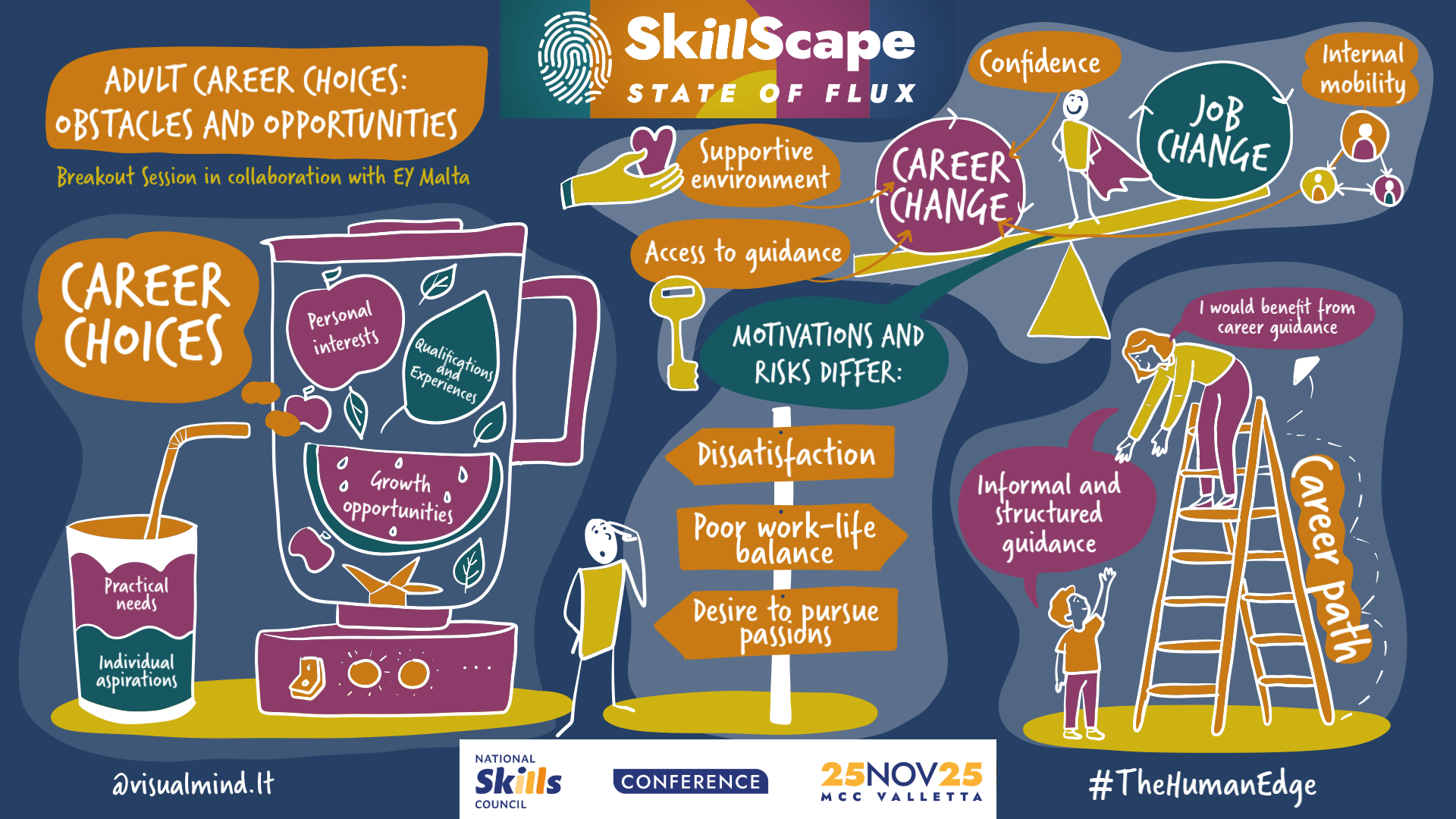
1. Adult Career Choices: Obstacles and Opportunities
This session encouraged participants to reflect on their own career journey and consider how they can contribute to a stronger, more supportive career ecosystem for others. Drawing on the recent National Skills Council–EY Malta survey, Adult Career & Training Choices, the session explored four themes: career motivations, career barriers, decision-making, and career guidance.
Discussions showed that career choices are shaped by personal interests, exposure, lived experiences, and the desire for growth. Many adults continue to rely on informal guidance, highlighting the need to strengthen access to structured support at all ages. Participants also noted that people change jobs for reasons beyond salary, including purpose, wellbeing, and work–life balance. Career development depends on confidence, supportive environments, and opportunities to learn. Employers benefit from developing internal talent, enabling mobility, and reducing barriers to progression and learning.
Empowering adults through transversal skills, growth mindsets, and lifelong learning was highlighted as essential for navigating, and thriving in, an ever-changing world of work.
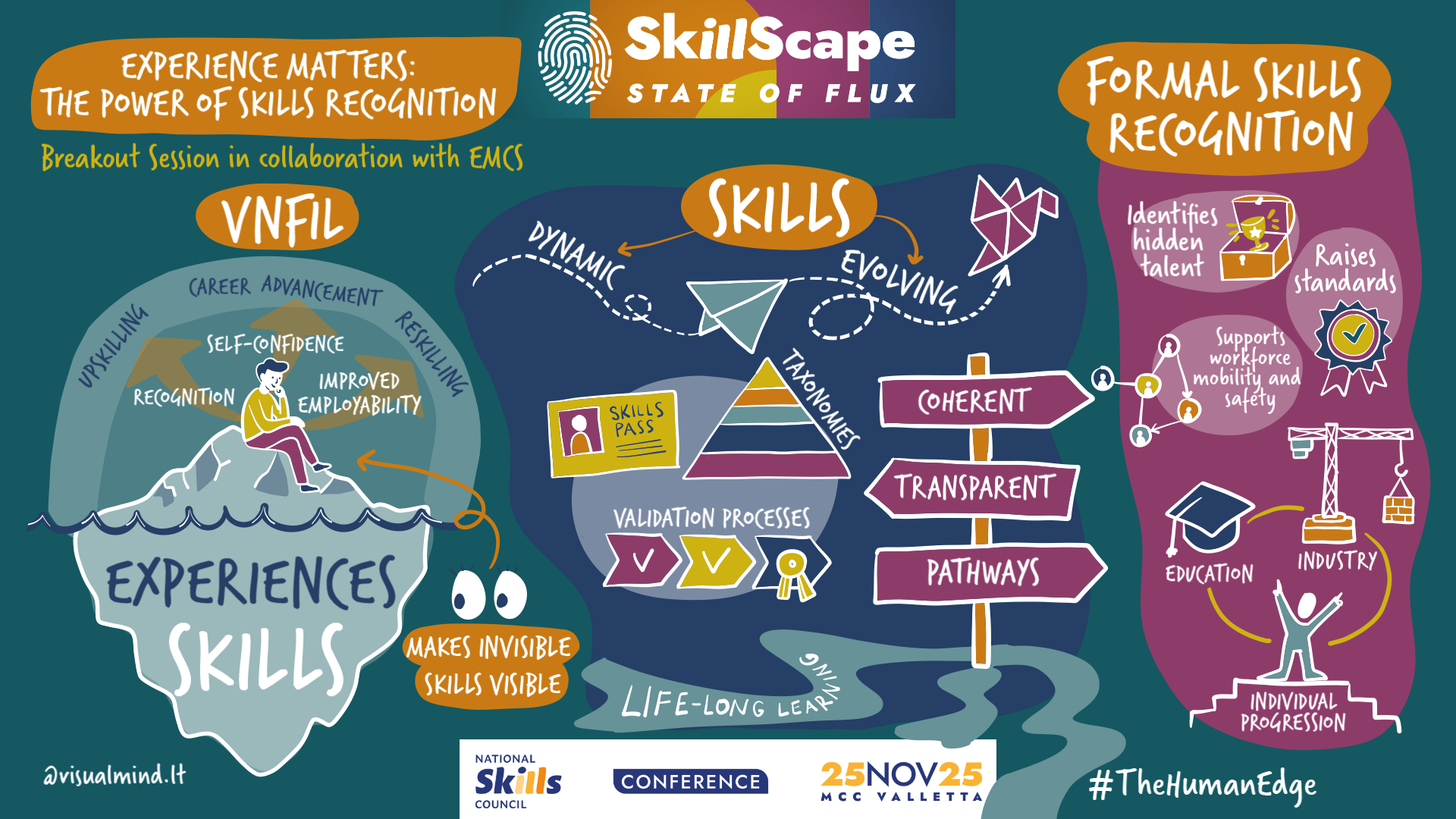
2. Experience Matters: The Power of Skills Recognition
This session explored how informal and non-formal learning, often acquired through real life, work experience, volunteering, or personal development, can be formally recognised. Participants reflected on how Validation of Non-Formal and Informal Learning (VNFIL) enables individuals to make their invisible skills visible, boosting self-confidence, employability, and opportunities for reskilling or career progression.
Discussions emphasised the importance of building a human-centred skills system, supported by tools such as skills cards, coherent skills taxonomies, and transparent pathways that help people navigate learning and work with clarity.
Recognising real skills strengthens entire industries: it raises standards, helps identify hidden talent, supports mobility, and creates stronger alignment between education and labour market needs. The session affirmed that modern skills systems must be flexible, data-informed, and accessible to support a workforce in constant transition.
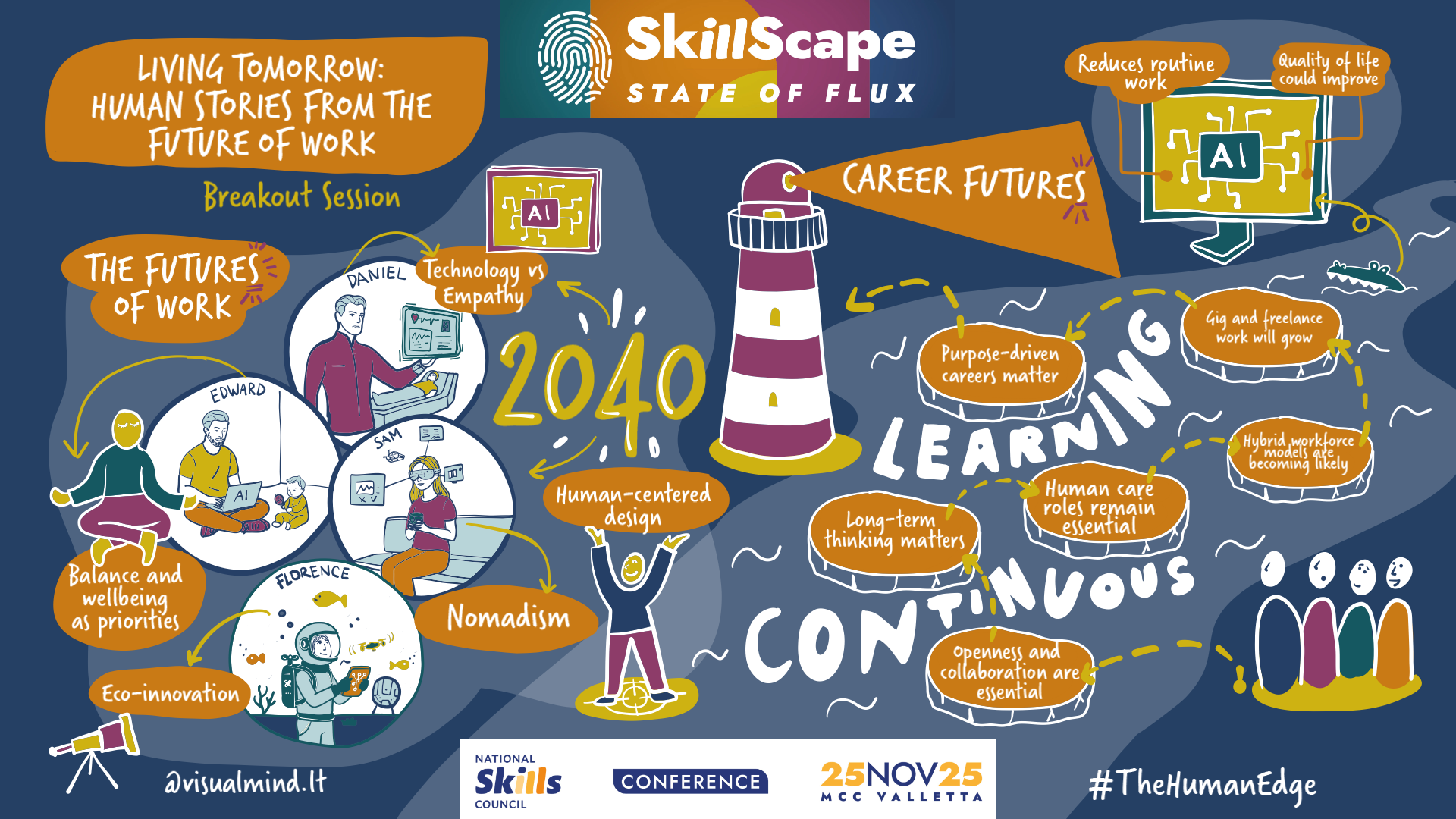
3. Living Tomorrow: Human Stories from the Future of Work
Drawing on vivid personas set in 2040, this workshop invited participants to explore how megatrends, including AI, green transitions, mobility, wellbeing, and demographic change, may shape future work realities. By stepping into the lives of a nomadic tech creator, a marine guardian, a care manager working alongside robotics, and a stay-at-home father redefining gender role, participants examined futures that feel both imaginative and already emerging.
Key insights included the certainty that technology will continue reshaping work, but human qualities such as empathy, judgement, creativity, and connection, remain irreplaceable. The session also highlighted the need for proactive planning, enhanced emotional intelligence, and continuous learning to thrive in rapidly evolving contexts.
Reflections stressed that there is no single future - multiple futures are possible and futures are co-created. Futures literacy empowers people, especially young learners, to navigate uncertainty with confidence and curiosity. Participants also recognised the importance of ensuring that technological progress remains inclusive and that no one is left behind.
4. Learning Pathways and Emerging Careers
During this session participants explored how career pathways are becoming increasingly non-linear, shaped by experiences, transversal skills, and adaptability. A very important point was raised in relations to how self-awareness, curiosity, and a willingness to "be comfortable being uncomfortable" enable individuals to embrace change and pursue new opportunities with confidence.
An other key outcome revolved around the importance of creating more spaces for cross-sectoral collaboration and dialogue to bridge skills gaps and ensure Malta’s workforce is equipped for emerging roles and industries. While lifelong and “lifewide” learning, supported by micro credentials, flexible learning pathways, and early exposure to the world of work, was recognised as essential for sustaining personal development and progression throughout a person’s career.
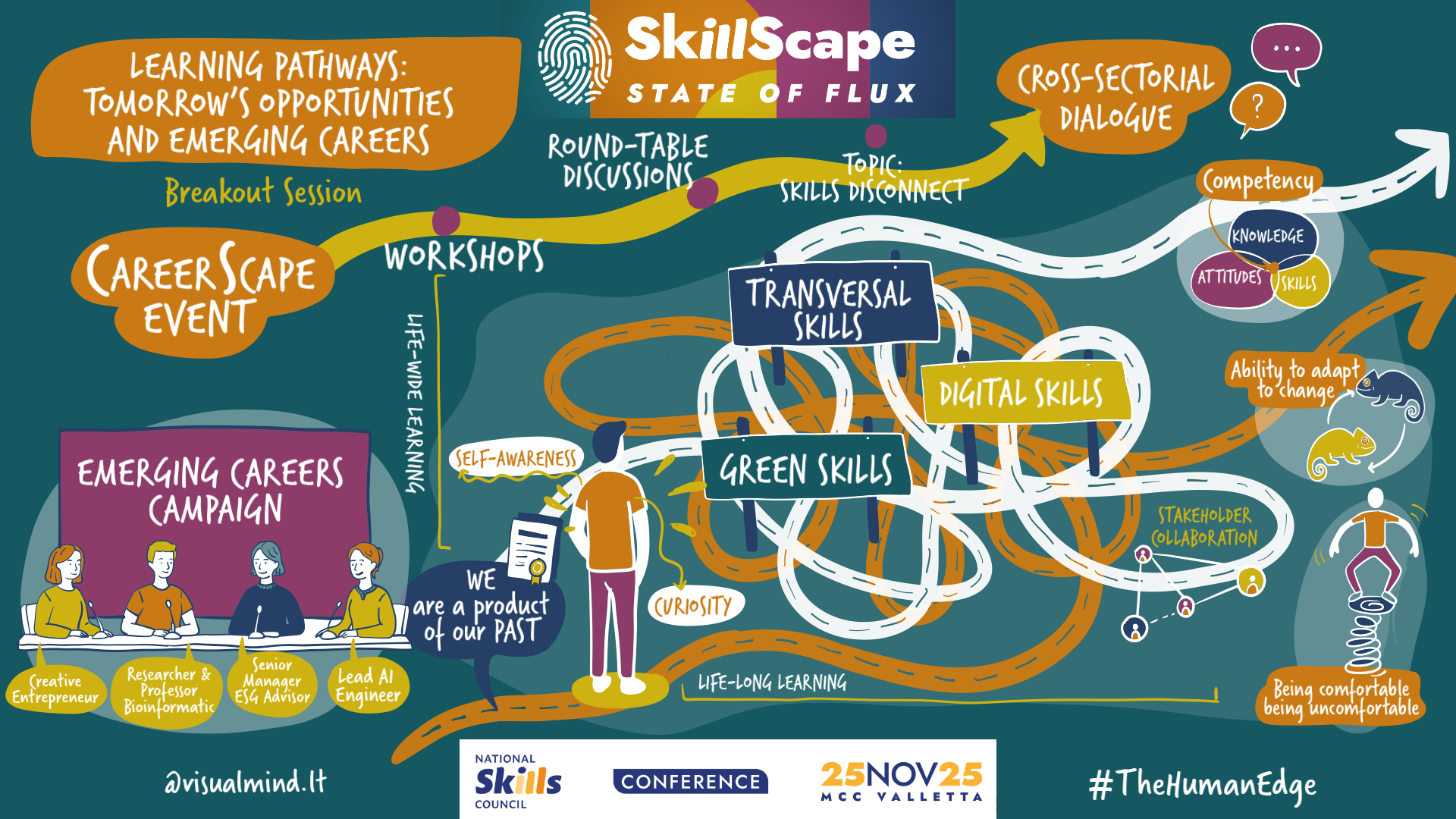
Additional reflections reinforced the value of empathy, problem-solving, adaptability, and personal growth as critical drivers of employability. Participants noted that finding the intersection between what one enjoys, what one is good at, and what the world needs remains a powerful guide for navigating the future of work.
Across all four sessions, a common thread emerged: Malta’s ability to thrive in a state of flux depends on confidence, collaboration, and continuous learning. The insights gathered during these workshops will continue to inform ongoing work on Malta’s National Skills Strategy and support the National Skills Council’s mission to build a future-ready, inclusive, and resilient skills ecosystem.